
General Contractor Calgary
Allure Residential & Commercial Inc. provides general-contractor project coordination in Calgary for residential and commercial work involving multiple trades, technical requirements, and construction stages. When a project extends beyond a single isolated task, Allure can coordinate the defined scope, required disciplines, sequencing, and handoffs through one accountable project structure. The level of coordination depends on the property, project complexity, permits or technical requirements, and the work included in the agreed scope. For projects requiring broader oversight across several stages, the next step is to define the work and prepare a project-specific estimate.
Serving Calgary Since 1988 • 17+ Crews • Trades Kept In-House • $5M Liability Coverage
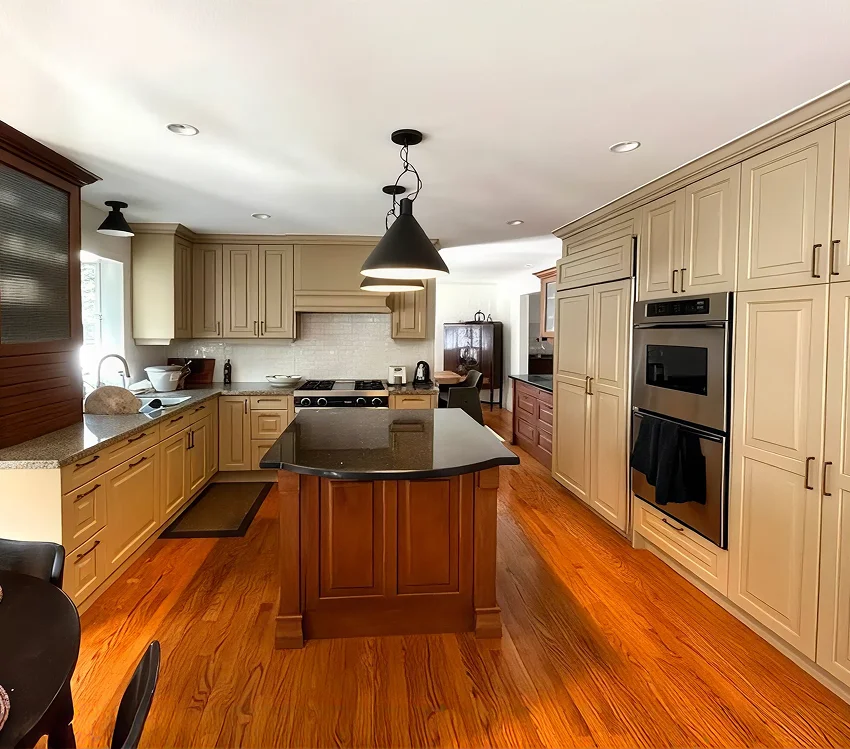
When Do You Need a General Contractor in Calgary?
A general contractor becomes especially relevant when a project requires several trades, construction stages, or technical requirements to be coordinated within one defined scope. Not every small property improvement needs that level of oversight; the need depends on project complexity and how closely the work is connected.
General-contractor coordination may be useful when a project involves multiple trades, structural or technical work, permits, connected stages, several rooms or systems, broader renovation work, commercial construction, or complete-build complexity.
Does Your Project Need Broader Coordination?
Project Characteristic
Several connected trades
Structural or technical equirements
Several rooms or systems
Commercial scope
Complete build
Coordination Need
Broader coordination becomes important
Contractor and technical coordination may be required
Sequencing becomes more important
Broader project coordination may be necessary
Multiple project stages need to remain aligned
As project dependencies increase, it becomes more important to define who owns the scope, coordinates trades, manages sequencing, and keeps each stage aligned with the next.
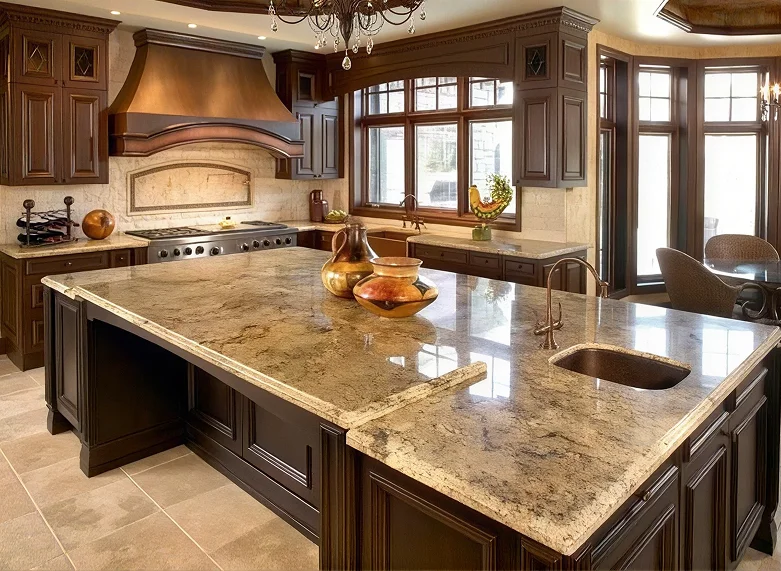
What Does Allure Coordinate as a General Contractor?
Allure can coordinate the people, trades, technical requirements, and construction stages needed to complete a defined residential or commercial project scope. Depending on the project, this may include planning, permits where applicable, interior design, architectural or engineering coordination, construction, electrical, plumbing, flooring, cabinetry, finishing, and project closeout.
The value is in how each part affects the next. A design decision can change the scope, which may create new technical requirements, involve additional trades, alter sequencing, and affect the estimate. Likewise, one construction stage may need to be completed or inspected before dependent work can proceed.
Where regulated architectural, engineering, or other professional services are required, Allure can coordinate those requirements according to the documented project scope and appropriate professional responsibilities.
How Is Responsibility Structured Across a Project?
Project responsibility should be clear before construction begins. Clients should understand who defines and approves the scope, communicates decisions, schedules project stages, coordinates trades, identifies permit or inspection dependencies, documents approved changes, and reviews completion.
The exact responsibilities depend on the agreed project scope and contract, so they should be confirmed for each project rather than assumed.
Project Responsibility Checklist
Project Area
Scope
Design decisions
Permits
Trades
Materials
Changes
Inspections
Completion
What Should Be Clear
Who defines and approves the work
When decisions are required and who confirms them
Who applies or coordinates where applicable
How work and handoffs are sequenced
Who selects, orders, and confirms them
How revised scope or cost is approved
Who coordinates required inspections
How final work is reviewed

What Experience Should a General Contractor Be Able to Demonstrate?
General-contractor experience should be demonstrated through relevant completed projects, documented capability, and a clear project-delivery process not simply years-in-business claims.
Allure’s verified experience signals include serving Calgary since 1988, 17+ crews, an in-house trade model, residential and commercial construction history, completed projects, documented licensing, insurance, and builder credentials where relevant. These facts are most useful when they connect directly to the type and complexity of work being considered.
For general-contractor projects, the strongest evidence is work that required multiple trades, several construction stages, technical coordination, whole-home or custom-build scope, or commercial renovation/construction. Project relevance matters more than attractive finished photos alone.

What Licensing and Insurance Should You Verify?
Before hiring a general contractor, verify the business licensing, insurance coverage, and any project-specific credentials that apply to the work.
Allure carries $5 million in liability insurance coverage and has documented licensing across Alberta and British Columbia. Any prepaid-contracting or other licence references should use Allure’s exact current documented wording, with applicable requirements reverified before publication.
See Contractor Licensing & Permit Responsibilities for detailed licensing and permit-responsibility guidance.

How Is a General Contractor Estimate Developed?
A general-contractor estimate should reflect a defined scope, required trades, materials, technical requirements, project allowances, and the sequence needed to complete the work.
Depending on the project, the estimate may consider property conditions, drawings or plans, design selections, demolition, structural work, trade requirements, permits, inspections, site access, materials, allowances, sequencing, and how approved changes will be handled.
What Helps Allure Understand a Project Before Estimating?
Useful project information can include:
- property address and project goals
- current conditions and areas affected
- photos or available plans
- expected technical or layout changes
- preferred timing
- budget context
A clearly defined scope helps the estimate reflect the required work, trades, materials, technical requirements, allowances, and sequencing more accurately.
How Does a Coordinated Construction Project Progress?
A coordinated construction project progresses by defining the scope first, then aligning technical requirements, trades, materials, approvals, and dependent stages around that scope. Each stage should be ready before the work that depends on it begins.

Project Definition
Project goals, property conditions, required scope, and likely disciplines are identified so the coordination requirements are clear from the start.

Planning & Technical Coordination
Design inputs, technical requirements, permits where applicable, required professionals, and construction considerations are identified before dependent work is scheduled.

Estimate & Project Preparation
Scope, materials, trades, allowances, site preparation, and scheduling are aligned so the project can move into construction with defined responsibilities.

Construction Coordination
Construction is not one single stage. Individual activities must be sequenced around trade dependencies, completion requirements, and inspections where applicable before the next stage can proceed.

Finishing & Closeout
Once major construction and technical work is complete, finishing work is coordinated and the agreed scope is reviewed before project closeout.

What Can Change the Project Schedule?
A construction project schedule can change when factors outside the original sequence affect dependent work. Common scheduling factors include scope changes, permit approvals, inspections, design decisions, material lead times, technical discoveries, trade dependencies, site access, existing conditions, and approved change orders.
Because construction stages are connected, a change in one area can affect the timing of following work. A delayed design decision, unresolved site condition, or inspection requirement may prevent dependent work from proceeding as scheduled.
Example Project Dependency
Stage: Rough-in
Dependency: Approved scope and required technical preparation
Next Stage: Wall closure or finishing
Potential Delay: Unresolved changes or required inspection approval
Understanding these dependencies helps keep project expectations aligned and allows decisions to be addressed before they affect later construction stages.
What Do Clients Need From the Contractor Relationship?
Clients need clear communication, defined responsibility, coordinated project stages, and a contractor who can explain how decisions, changes, and problems are handled throughout the work.
The most useful contractor reviews describe how communication, coordination, project management, accountability, and problem resolution were handled across the work—not only how the finished project looked. Reviews that describe how the contractor managed the project are more valuable here than comments focused only on appearance.
Only verified client reviews should be used to support these contractor-level attributes.
What Should You Ask Before Hiring a General Contractor?
Before hiring a general contractor, ask questions that clarify relevant experience, responsibility, credentials, coordination, documentation, and how the project will be managed.
Look for completed work with comparable complexity, trades, and construction stages.
2. Who is responsible for coordinating the project?
Verify that responsibility for decisions, sequencing, trade coordination, and project communication is clearly assigned.
3. Which work is performed within your organization?
Understand which trades are handled internally and where specialized professionals may be required. Allure’s verified delivery model keeps its trades in-house.
4. What licensing applies?
Confirm that the contractor holds the current licensing applicable to the business and project.
5.What insurance do you carry?
Verify appropriate coverage. Allure carries $5 million in liability insurance coverage.
6. Who handles required permits?
Confirm permit and inspection responsibilities for the specific project scope rather than assuming who will handle them.
7. How is the project scope documented?
A defined scope should make clear what work, materials, trades, and technical requirements are included.
8. How are project changes approved?
Ask how changes affecting scope, cost, materials, or scheduling are documented and approved.
9. How are trades scheduled?
Look for a clear approach to sequencing and dependencies, because work completed by one trade can affect when the next stage begins.
10. What project evidence can I review?
Prioritize relevant completed projects that demonstrate comparable coordination and complexity—not finished photographs alone.
11. What does the estimate include?
Confirm that it reflects the defined scope, required trades, materials, allowances, and applicable technical requirements.
12. How is completion handled?
Ask how the agreed work is reviewed and how project closeout is addressed.
The purpose of these questions is not simply to compare prices. They help determine who is responsible, how the work will be coordinated, what evidence supports the contractor’s capability, and how clearly the project is defined before construction begins.
General Contractor FAQs
What does a general contractor do?
A general contractor coordinates the defined project scope across the people, trades, technical requirements, scheduling, and construction stages involved. The role becomes especially important when work in one stage affects when another trade or activity can proceed.
When do I need a general contractor for a renovation?
A general contractor is most useful when a renovation involves multiple trades, connected construction stages, structural or technical requirements, permits, inspections, or broader coordination. A simple isolated task may not require the same level of oversight.
Is Allure a general contractor in Calgary?
Allure Residential & Commercial Inc. provides general-contractor project coordination in Calgary for residential and commercial projects involving multiple trades and construction stages. Allure also has documented licensing across Alberta and British Columbia.
What types of projects can a general contractor coordinate?
Depending on the contractor’s verified capabilities, general-contractor coordination can apply to multi-trade renovations, whole-home projects, commercial construction or renovation, structural and technical work, and complete-build projects. Allure works across verified residential and commercial construction scopes.
Does a Calgary general contractor need a business licence?
See Contractor Licensing & Permit Responsibilities for more detailed guidance.
Who handles renovation permits?
Responsibility for permits and inspections depends on the project and the agreed scope. Clients should confirm who is responsible for applications, coordination, inspections, and any required trade permits before work begins.
Does Allure outsource its trades?
Allure’s verified delivery model keeps all trades in-house; work is not outsourced. This supports coordination between trades working within the defined project scope.
What should a general contractor estimate include?
A general-contractor estimate should reflect the defined scope, required trades, materials, technical requirements, applicable allowances, site conditions, and the sequence needed to complete the work.
How are project changes handled?
Changes affecting scope, materials, cost, or scheduling should be documented and approved before dependent work proceeds. The exact change-approval process should be confirmed as part of the agreed project scope and contract.
How do I compare general contractors in Calgary?
Compare contractors using relevant completed projects, appropriate licensing and insurance, clearly defined responsibilities, coordination capability, estimating clarity, project evidence, and experience with work similar in complexity to your own.
Can a general contractor coordinate residential and commercial projects?
Yes, when those project types fall within the contractor’s capabilities and applicable credentials. Allure coordinates defined residential and commercial project scopes in Calgary, including work involving multiple trades and construction stages.
How do I get started with Allure?
Start by sharing the property, project goals, areas affected, current conditions, available photos or plans, and other relevant scope information. You can Request a Renovation Estimate in Calgary to begin discussing the project.
Ready to Build?
If your project involves multiple trades, technical requirements, or connected construction stages, the next step is to define the scope clearly. Share your project goals, property details, available plans or photos, and any known requirements with Allure Residential & Commercial Inc.
Tell Us About Your Project
Share a few details and a member of the Allure team will contact you to discuss your renovation.
Calgary
Altadore
Pump Hill
Mount Royal
Aspen Woods
Tell Us About Your Project
Share a few details and a member of the Allure team will contact you to discuss your renovation.